
THE TWELVE STEPS TO VICTORY™ || Step Eight || Willing to Make Amends

In The Twelve Steps to Victory column, we’re reframing the traditional 12 Steps with a focus on victory vs continually looking back at our missteps and failures. Each Step aligns with the months on the yearly calendar. This series publishes on the first Friday of each month in 2025.

“We made a list of all persons we had harmed and became willing to make amends to them all. — Step Eight 

Do to others as you would have them do to you. Luke 6:31 NIV

🛤️ Victory Focus
In Step Eight, we turn our hearts toward others by becoming willing to make things right. This step is not about taking immediate action (that comes in Step Nine), but about cultivating the attitude of humility and readiness. We surrender pride, self-justification, and fear—asking God to prepare us to take full responsibility for the damage we’ve caused in our relationships. True freedom requires reconciliation, and reconciliation begins with willingness.

🪞Reflective Insight
This step often surfaces deep discomfort. Facing the wreckage we’ve caused—whether intentionally or unintentionally—requires courage and grace. Many of us have held onto bitterness, justified our actions, or lived in denial. But God does not call us to shame—He calls us to healing. Willingness is the bridge between conviction and action. We ask Him to soften our hearts and remove anything that keeps us from walking in truth and love. Healing in our relationships begins here.

🕊️ A Prayer for Step Eight

Lord Jesus, soften my heart and make me willing. Help me see others through Your eyes—those I’ve hurt and those who’ve hurt me. I lay down my defenses and excuses, and I ask You to give me courage to make things right. Create in me a clean heart. Prepare the way for reconciliation and lead me to walk it with humility and grace. In Your Name. Amen.

🖊️ Personal Reflection
Before we can make amends, we must first be honest—with ourselves and with God. Journaling is a powerful tool for that kind of heart work. As you prayerfully reflect on these prompts, allow the Holy Spirit to gently uncover anything hidden and stir a willingness within you to move forward in grace and truth. These questions aren’t about rushing to action—they’re about preparing your heart for healing.

      • Who have I hurt through my actions, words, or neglect?

      • Am I truly willing to make amends to each one on my list? If not, why?

      • What fears, resentments, or pride might be keeping me from this willingness?

      • How does Jesus’ love for me encourage me to love others—even those I’ve wronged?

🎵 Worship Reflection
As we grow willing to make amends, we must first surrender our right to stay hurt, to stay hidden, or to stay in control. True willingness begins with letting go—of pride, fear, excuses, and every burden we’ve been carrying. “Make Room” is a powerful worship invitation to do just that. Let this song lead you into a moment of open-hearted surrender, where healing can begin and the Holy Spirit can do what only He can do.
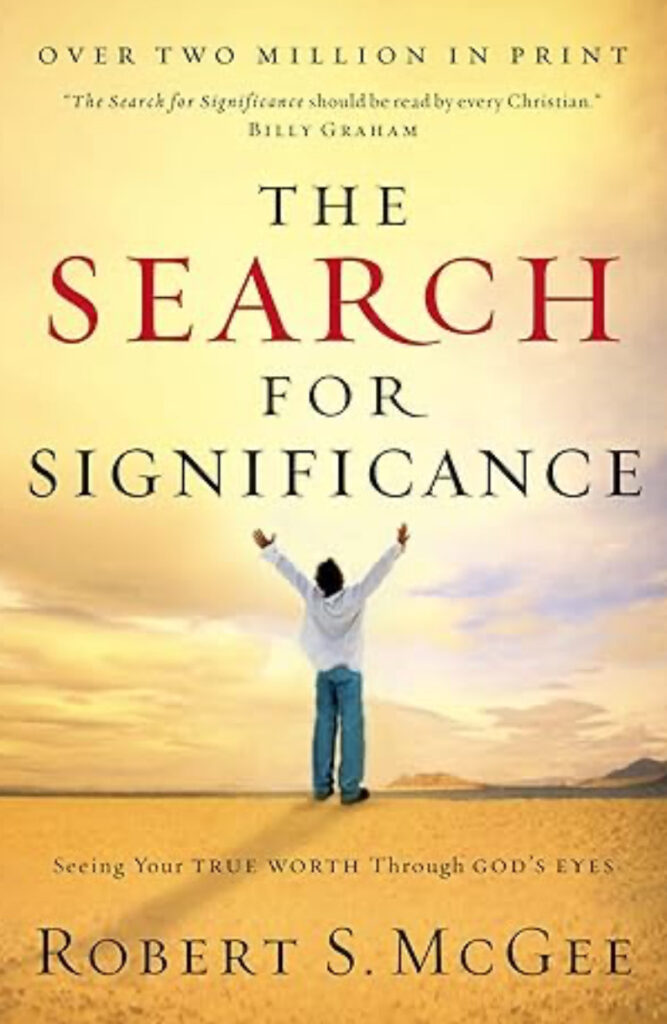
BOOK STUDY: The Search for Significance | Chapter 7: The Blame Game

On the fourth Friday of each month in 2025, we’re studying The Search for Significance by Robert S. McGee. Join me as we confront the enemy’s lies of self-doubt and find our victory in the truth of who we are according to God’s Word!

Welcome back, friend. We’ve been walking together through some pretty deep heart work over these past six chapters. If last month’s message about reconciliation brought you comfort and peace, this month’s chapter may bring something just as needed—freedom from guilt and blame. In Chapter 7: The Blame Game, we uncover how misplaced blame and lingering guilt keep us from walking in the freedom Jesus offers.

Summary: Chapter Seven – The Blame Game

In this chapter, McGee explores the belief that “those who fail are unworthy of love and deserve to be punished.” When we internalize this lie, we either blame ourselves excessively—living under a cloud of guilt and shame—or we shift blame onto others to protect ourselves from pain. But neither response leads to healing. The truth is, God has already dealt with our sin and shame at the cross. We are forgiven, free, and no longer need to carry the burden of punishment—because Jesus already carried it for us.

“Living in guilt is not humility—it’s unbelief in the sufficiency of God’s forgiveness.” – Paraphrase from Robert S. McGee


Biblical Truths

  1. 1 John 1:9“If we confess our sins, He is faithful and just and will forgive us our sins and purify us from all unrighteousness.”
    • God’s forgiveness is available and complete when we come to Him honestly.
  2. Psalm 103:12“As far as the east is from the west, so far has He removed our transgressions from us.”
    • When God forgives, He fully removes our sin—we don’t have to keep carrying it.
  3. Isaiah 43:25“I, even I, am He who blots out your transgressions, for My own sake, and remembers your sins no more.”
    • God chooses not to hold our sins against us. We can stop punishing ourselves.

Key Idea

Blame—whether directed at ourselves or others—keeps us in bondage. Forgiveness releases us to live in grace, not guilt.


Reflection Question

Are there areas of your life where you are still carrying guilt or blaming others for your pain? What would it look like to surrender those burdens to God and live in His forgiveness?


Practical Application

  1. Personal Inventory – Take a quiet moment and ask the Holy Spirit to reveal any hidden blame or unforgiveness in your heart—toward yourself or others. Write it out, then bring each one to God in prayer.
  2. Symbolic Release – Tear up or burn the paper as a symbol of releasing those burdens. Say out loud: “I choose to live forgiven and free.”
  3. Replace with Truth – Any time guilt resurfaces, speak one of the Scriptures from this chapter out loud. Remind yourself: “I am forgiven. I am not defined by my past.”

My Personal Reflections

I’ve played both sides of the blame game in my life. I’ve blamed myself for things that weren’t mine to carry, and I’ve also pointed fingers when I felt too overwhelmed or ashamed to face something head-on. Both left me exhausted—and still stuck. The turning point came when I began to believe that God really had forgiven me. Not just in theory, not just for “minor” mistakes—but fully, completely, and permanently.

It didn’t mean my past changed—it meant my relationship with my past changed. I no longer had to be the one holding the gavel over my own head. I didn’t have to carry a list of who hurt me, or how I failed. I could lay it down, because Jesus already took it.


Friend, if you’re carrying blame—either inward or outward—I invite you to lay it at the feet of Jesus today. He’s not pointing a finger. He’s holding out His hand.

You are not your mistakes.
You are not what was done to you.
You are forgiven, loved, and invited to walk forward in freedom.

Next month, we’ll walk into Chapter 8: God’s Answer – Propitiation, and see how Christ’s sacrifice satisfies justice so that we can live in peace.

Until then, remember:
You don’t have to punish yourself or others anymore—Jesus already took it all. 💜